Emergency Situation
When someone you care about is admitted to an Intensive Care Unit in Thailand, life can change in a single phone call.
Fast response. Clear planning. One point of contact.
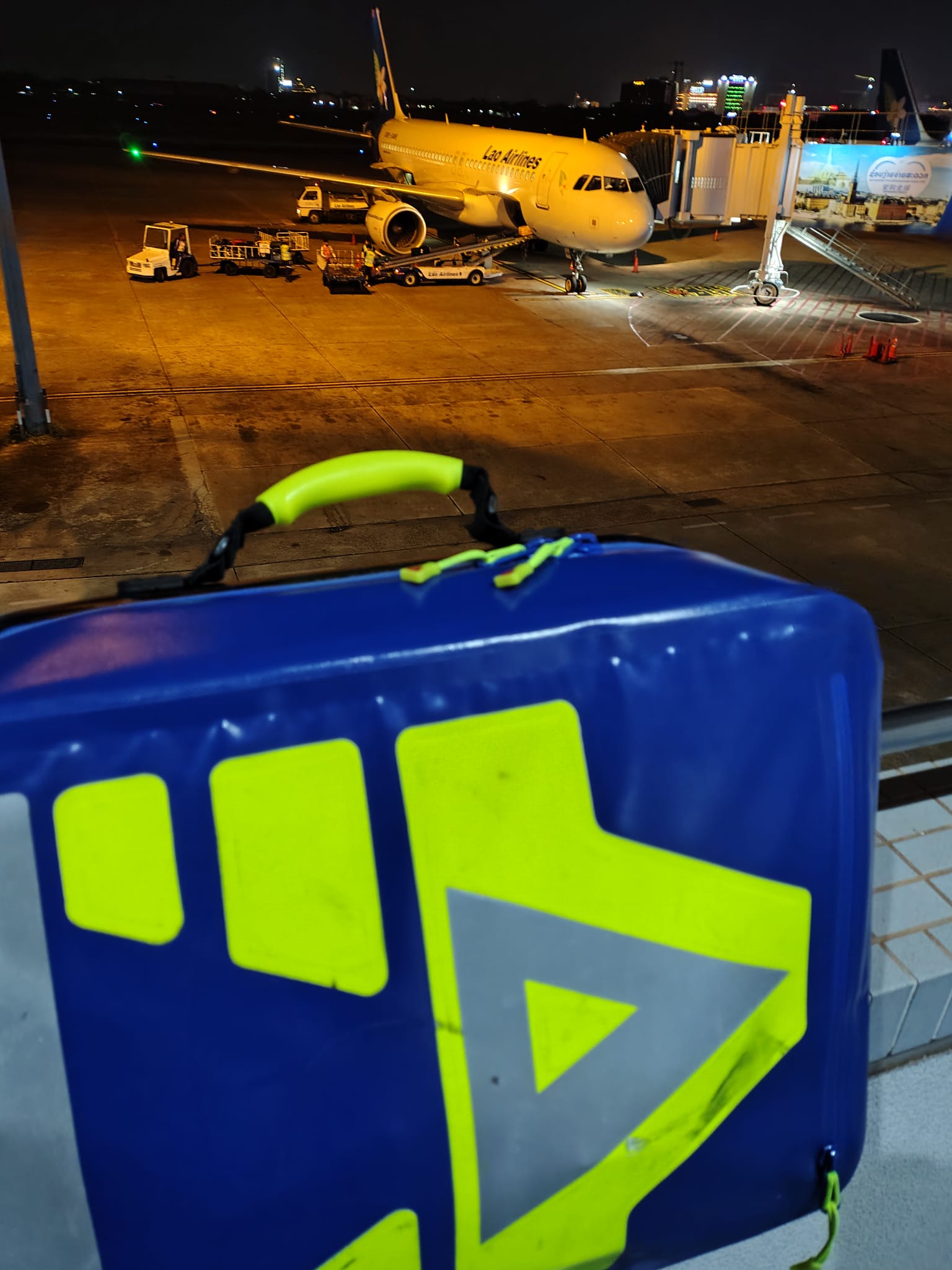
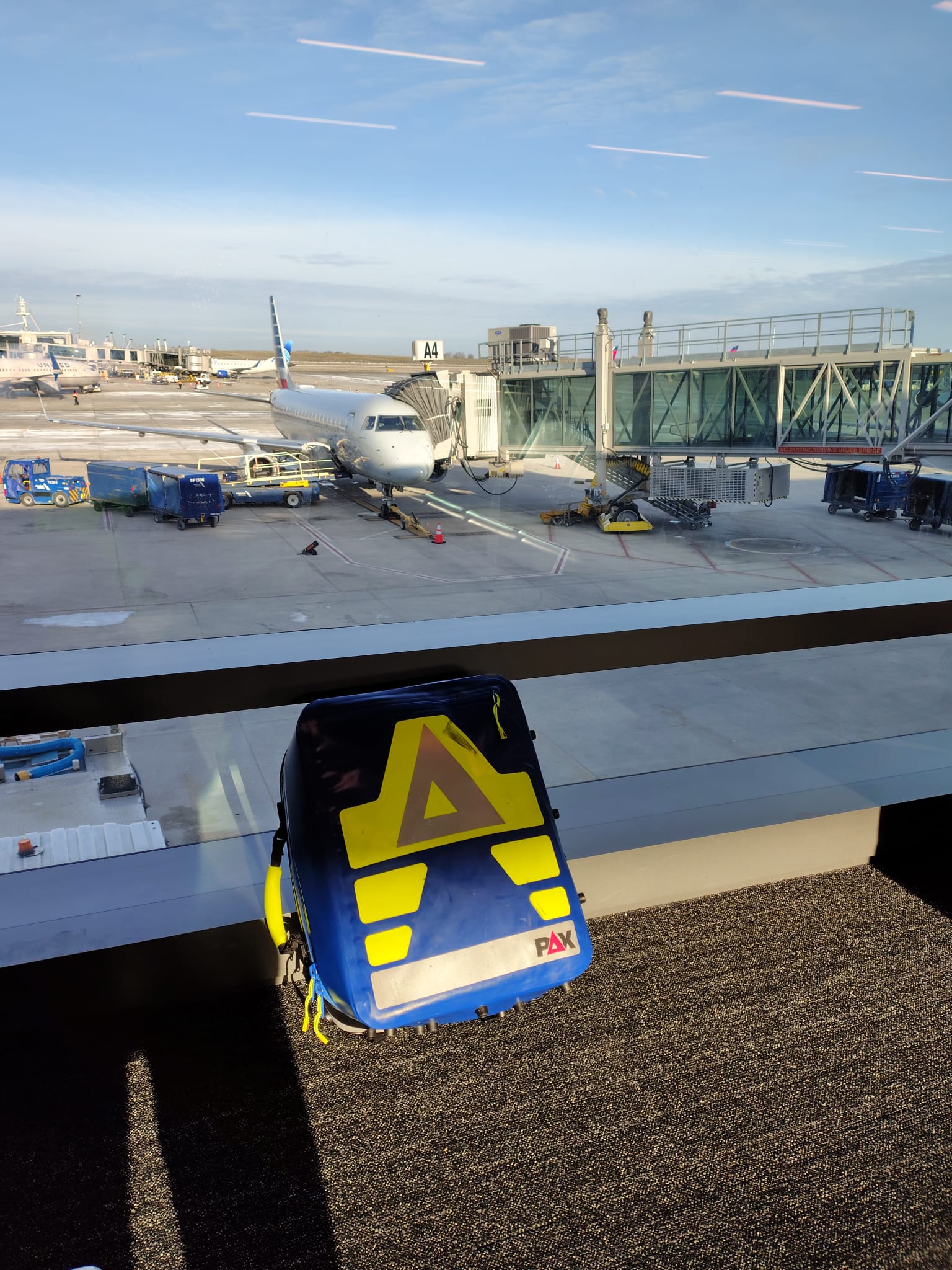
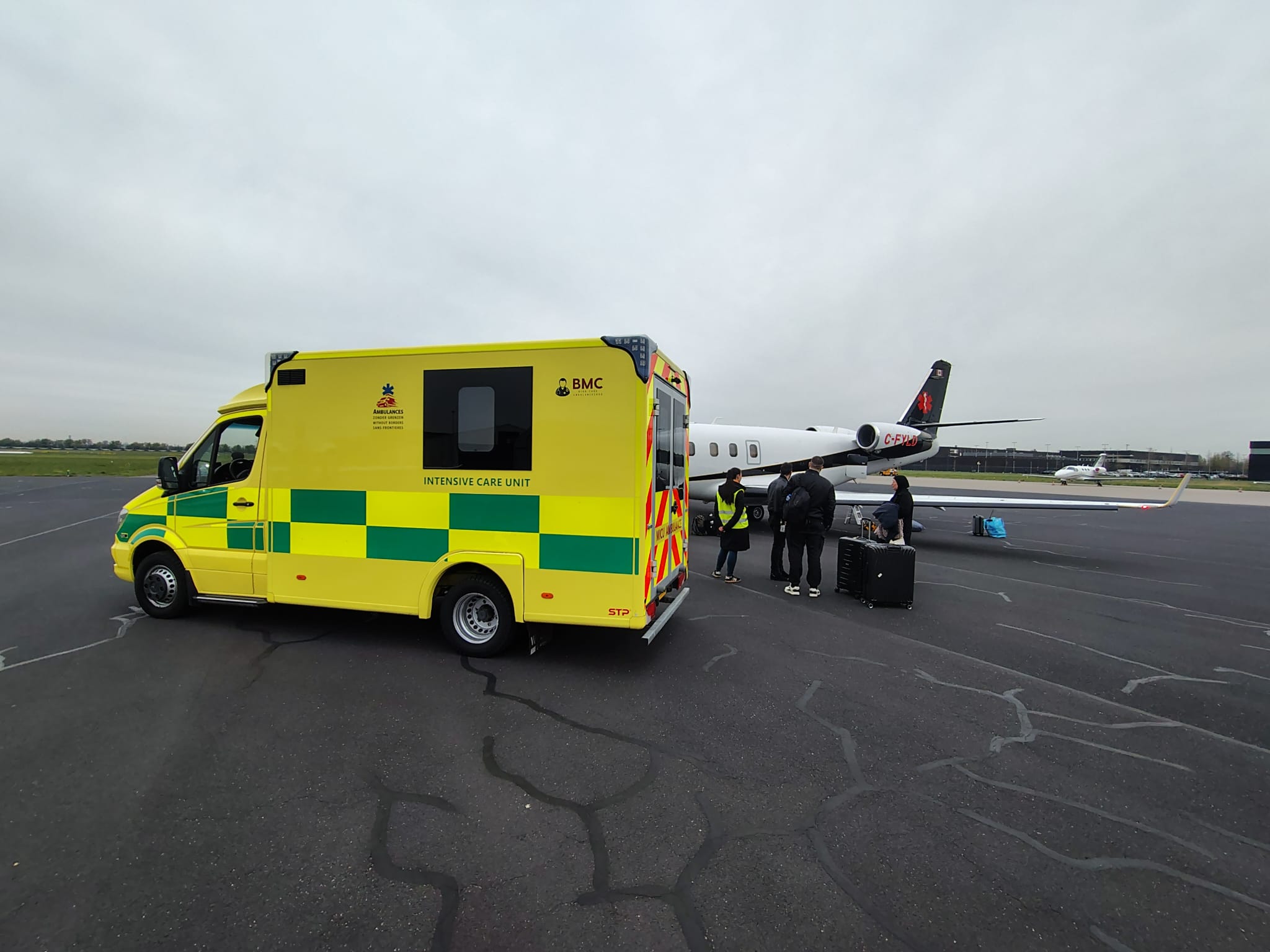
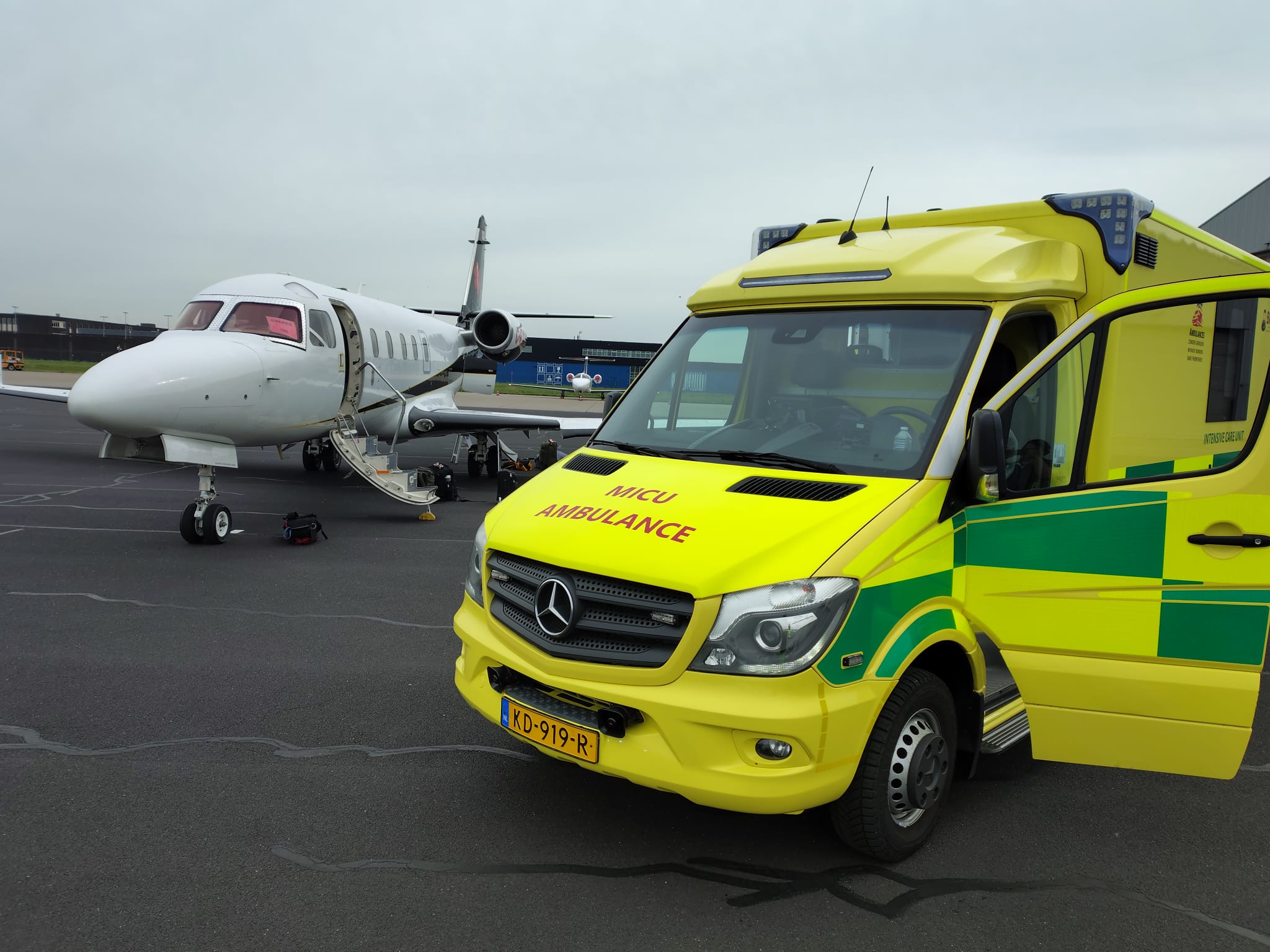
Overview
Families are often suddenly dealing with words like:
We review the patient’s condition, route, medical stability and the most suitable way to return home safely.
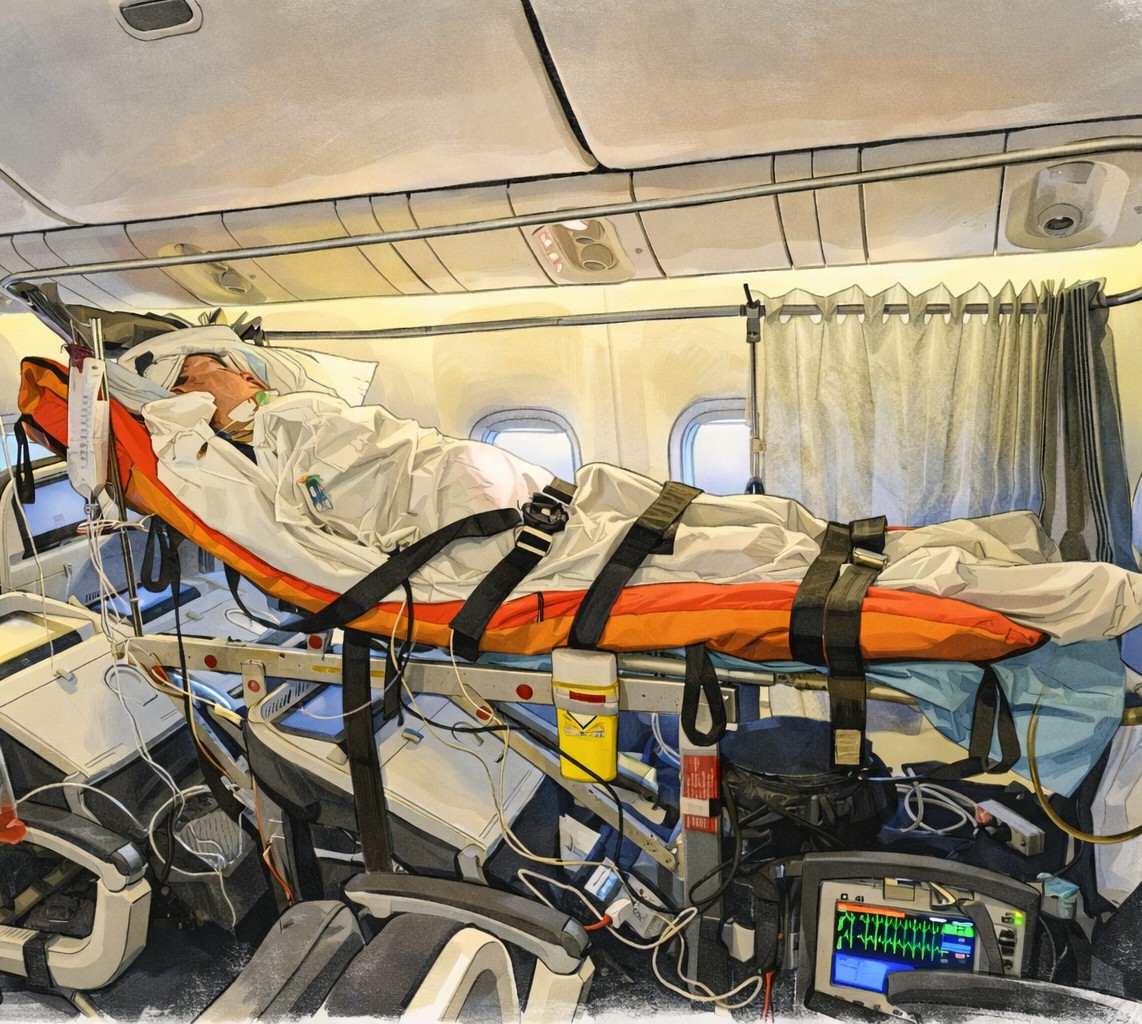
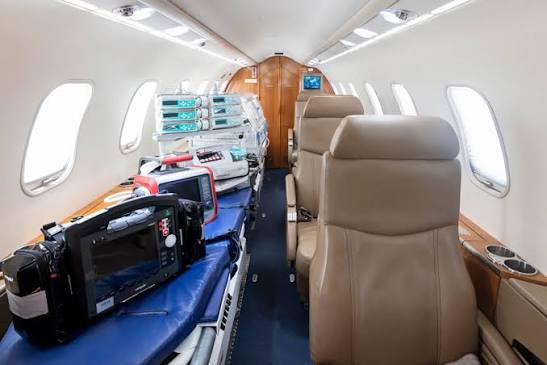
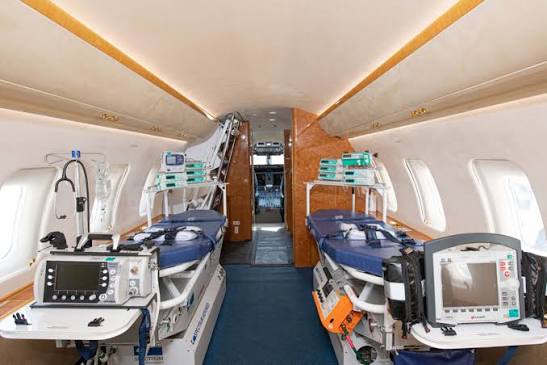
Depending on the case, this may involve medical escort, stretcher transport, ground ambulance or dedicated air ambulance.
We help align hospitals, airlines, ambulance teams, families and receiving-side planning across borders.
Detailed Information
ICU patient in Thailand? Thailand-Repatriation.com is operated by Bryan Morgan Care, providing expert critical care repatriation, ventilated transport, stretcher flights and air ambulance solutions worldwide.
Families dealing with ICU cases in Thailand are often faced with complex medical terms and critical situations such as:
At the same time, they may be thousands of kilometres away, trying to understand medical updates, private hospital costs, language barriers and one urgent question:
The answer is often yes — but ICU repatriation must be handled properly. Timing, medical stability, transport method and specialist staffing are critical.
This is not ordinary travel planning. This is critical care logistics.
Thailand-Repatriation.com is operated by Bryan Morgan Care, an established medical transport specialist with its own 24/7 alarm centre, medical teams, ambulances, specialist equipment and direct operational capability.
We help families and referring professionals arrange safe return journeys for ICU patients from Thailand using the most appropriate level of care.
Many families imagine only one option: a private air ambulance jet.
Sometimes that is correct.
But not always.
Depending on the patient’s recovery stage, there may be several possible routes:
Continue ICU care in Thailand briefly, then transfer
Move first to a stronger hospital in Bangkok
The safest option depends on the patient’s condition today — not what was true three days ago.
We regularly review and support cases involving:
Every ICU patient is different. Small medical details can completely change transport planning.
We assisted in the return of a patient who had relocated to Thailand and developed a serious foot wound that progressed into severe infection.
The patient required ICU admission, prolonged ventilation and complex treatment. Costs were rising and the patient wished to continue care in the Netherlands.
After review and remote consultation, our team mobilised rapidly. During a period of regional travel disruption, we coordinated a long overland transfer to Bangkok, arranged medically supported overnight accommodation near the airport, and completed onward travel under close supervision the next day.
This required route strategy, monitoring, equipment, timing and calm execution.
That is the difference between transport and true ICU repatriation planning.
Before any movement is considered, key factors include:
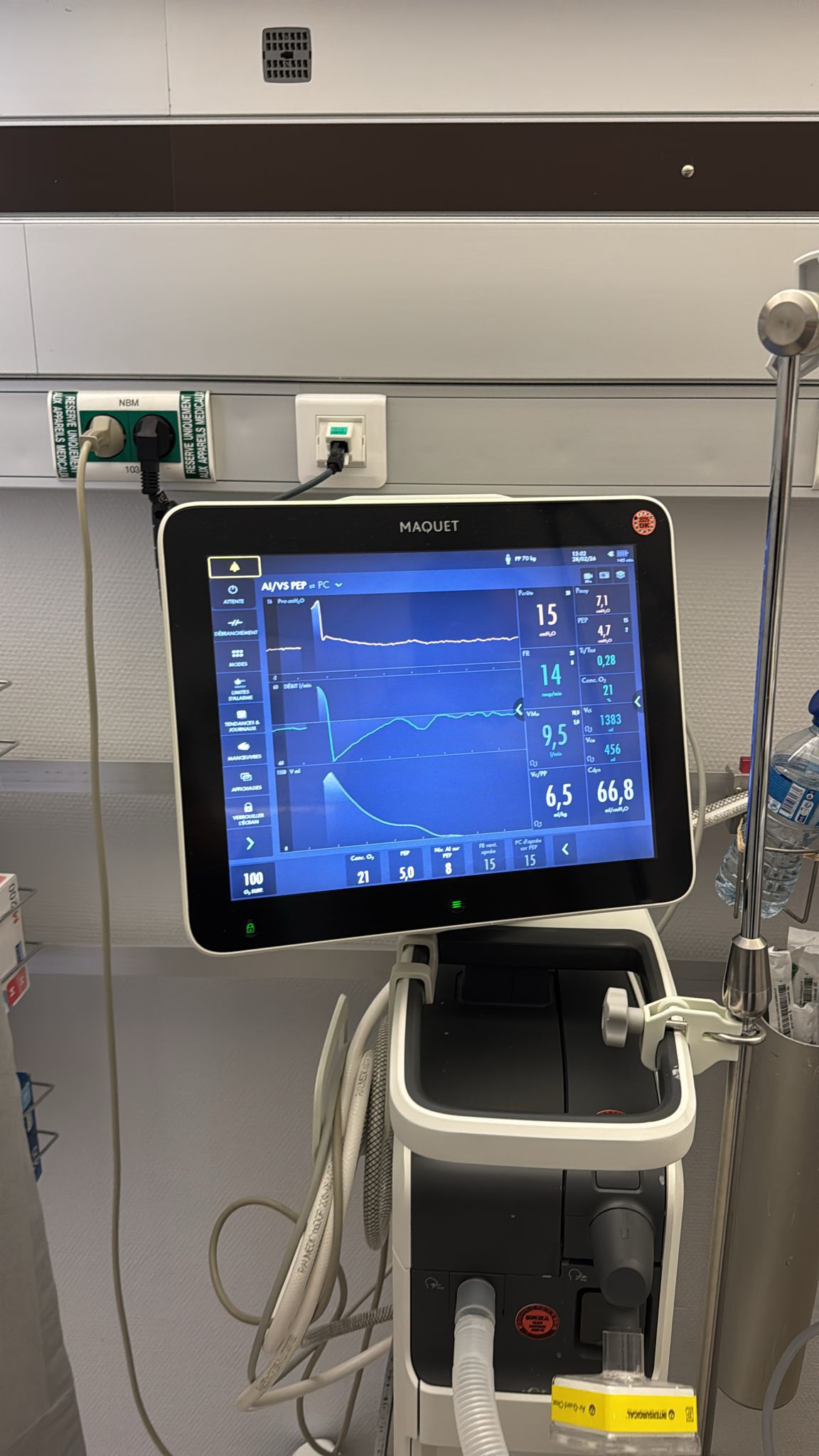
Is the patient stable enough to move? Are oxygen needs controlled? Is ventilation required?
What medications are running? Are there active infections? Is surgery still pending?
Can road transfer be tolerated? Which destination hospital is ready? Is speed or stability the priority?
Families should never be pushed into the wrong decision because of panic.
Often the preferred option for unstable or high-acuity patients requiring intensive onboard capability.
May be appropriate for:
For selected patients who have improved clinically, monitored stretcher transport on commercial routes may be considered.
Some patients first improve from ICU to ward level, then travel with escort or stretcher support.
We coordinate:
Critical care situations do not wait for office hours.
From high-acuity air ambulance planning to staged step-down returns.
Sometimes the safest answer is “not today.” Sometimes moving sooner is best. We explain clearly.
Difficult routes, changing conditions and urgent timelines require experience.
Families need clarity during the worst moments.
We regularly review ICU cases from hospitals in:
There is no honest one-size-fits-all answer.
Some transfers move rapidly. Others should wait until safer.
Take a breath and focus on facts:
Get the hospital name and treating doctor details
Confirm current support level (oxygen, ventilator, ICU meds)
If someone you care about is in ICU in Thailand and you need clear expert guidance about getting them home safely, speak directly with our operations team now.
Thailand-Repatriation.com is operated by Bryan Morgan Care — trusted specialists in critical care repatriation, ventilated transport and complex worldwide patient returns.
Common Questions
Clear answers about timing, transport options and medical return planning from Thailand.
Medical repatriation is the safe return of a patient to their home country or preferred treatment destination with the appropriate level of support.
That depends on the patient’s condition, fit-to-fly status, route, documentation and the transport setup required.
Some patients can travel with a medical escort or stretcher setup, while others need a dedicated air ambulance.
Yes. Hospital discharge, ambulance transfers, family communication and receiving-side planning can all be part of the coordination.
Need Help Now?
Contact us for fast case review, route planning and structured medical transport coordination from Thailand.